

SEO for Small Businesses in Myrtle Beach: What You Need to Know Before Hiring an SEO Consultant
If you own a small business in Myrtle Beach, you’ve probably heard that you “need SEO.” Maybe you’ve been told your website needs more keywords. Maybe an SEO company promised to get you to the first page of Google. Or maybe you’ve been paying someone for SEO for months and still aren’t sure what they’re actually doing. Sound familiar?
SEO can be incredibly valuable for a small business—but only when it’s connected to your actual business goals. Before you hire an SEO consultant, agency, or freelancer, there are a few things you should understand because good SEO isn’t simply about getting more website traffic. It’s about getting the right people to find you—and giving them a reason to become customers.
Why SEO Matters for Myrtle Beach Small Businesses
Myrtle Beach is a competitive market. Whether you own a restaurant, salon, law firm, medical practice, home service company, retail business, professional service firm, or another local business, you’re competing for attention from people searching online and those searches aren’t always as simple as someone typing your business name into Google.
Potential customers might search for:
- “best hair salon in Myrtle Beach”
- “Myrtle Beach family lawyer”
- “SEO consultant near me”
- “women’s wellness coach Myrtle Beach”
- “best restaurants near Myrtle Beach”
- “roof repair Conway SC”
- “things to do in Myrtle Beach”
The businesses that show up when those searches happen have an opportunity to get in front of potential customers before they ever contact a competitor. That’s the power of SEO but there’s an important distinction:
Ranking is not the goal. Growth is the goal.
A #1 ranking for a keyword nobody searches for—or a keyword that doesn’t attract your ideal customer—doesn’t necessarily help your business.
Before You Hire an SEO Consultant, Know What SEO Actually Includes
One of the biggest problems I see with SEO is that business owners are sometimes sold a very narrow version of it. SEO isn’t just adding keywords to your website. A strong SEO strategy can involve several different areas, including:
1. Keyword Research
What are your potential customers actually searching for and more importantly, what are they searching for when they’re ready to buy? A good SEO strategy identifies the topics, questions, services, and problems your ideal customers are searching for.
2. On-Page SEO
This is the work that happens on your website. It can include optimizing:
- Page titles
- Meta descriptions
- Headings
- Website copy
- Internal links
- Image descriptions
- URLs
- Service pages
- Blog content
But there’s a catch. You don’t want a website stuffed with keywords that sounds like it was written for Google. Your website still needs to sound like your business and speak to real people.
3. Technical SEO
Technical SEO focuses on how easily search engines can crawl, understand, and index your website. It can include things like:
- Website speed
- Mobile usability
- Broken links
- Indexing issues
- Site structure
- Redirects
- Structured data
- Core technical problems
You don’t necessarily need to understand all of this yourself but your SEO provider should be able to explain what they’re doing in the language you can understand.
4. Local SEO
For a small business serving Myrtle Beach and the surrounding area, local SEO can be especially important. Local SEO helps your business become more visible when people are searching for products and services in a specific geographic area. That can involve your:
- Google Business Profile
- Local business listings
- Location-specific website content
- Reviews
- Local keywords
- Service-area pages
- Online reputation
And here’s something important: You don’t have to physically be in Myrtle Beach to think strategically about local SEO. If your business serves Myrtle Beach, Conway, Surfside Beach, North Myrtle Beach, or surrounding communities, your website needs to clearly communicate where you do business and who you serve.
5. Content
Google doesn’t just need to know what you sell. Your content can help demonstrate that your business understands the questions and problems your customers have. That’s where blogs, guides, FAQs, service pages, and other useful content come in. The goal isn’t to publish 10 random blog posts every month. The goal is to create content that supports your customers’ journey from:
“I have a problem.” → “I’m researching solutions.” → “I found you.” → “I trust you.” → “I’m ready to contact you.”
That’s marketing—not just SEO.
7 Questions to Ask Before Hiring an SEO Consultant
Before signing an SEO contract, ask these questions.
1. “What exactly are you going to do?”
This should have a clear answer. “Improve your SEO” isn’t a strategy. Ask what they will actually be working on. Will they optimize your existing pages? Conduct keyword research? Improve local SEO? Create content? Fix technical issues? Monitor performance? You should understand what you’re paying for.
2. “How will you measure success?”
This is a big one. If your SEO consultant only talks about rankings, ask more questions. A good SEO strategy should ultimately connect to meaningful business metrics such as:
- Organic traffic
- Qualified leads
- Contact form submissions
- Phone calls
- Online purchases
- Appointment requests
- Revenue
- Conversion rates
Traffic is useful. Revenue is better.
3. “What keywords are you targeting?”
Don’t just accept a list of keywords because it looks impressive. Ask why those keywords matter. A keyword with 10,000 searches isn’t necessarily better than one with 100 searches if those 100 people are much more likely to become customers.
4. “Will I receive reports?”
You should know how your SEO investment is performing. A good report shouldn’t simply dump a dozen charts on you and leave you wondering what they mean. You should be able to answer:
What changed? Why did it change? And what are we doing next?
5. “What happens after the first few months?”
SEO isn’t usually a one-and-done project. You may see some improvements relatively quickly, while other changes can take longer. Ask what the ongoing strategy looks like. What happens after the initial audit? What gets optimized next? How will the strategy evolve?
6. “Can you explain your recommendations in plain English?”
This might be my favorite question. You shouldn’t need a degree in SEO to understand what you’re paying someone to do. If someone can’t explain why a change matters to your business without hiding behind jargon, that’s a red flag.
7. “How does SEO fit into my overall marketing strategy?”
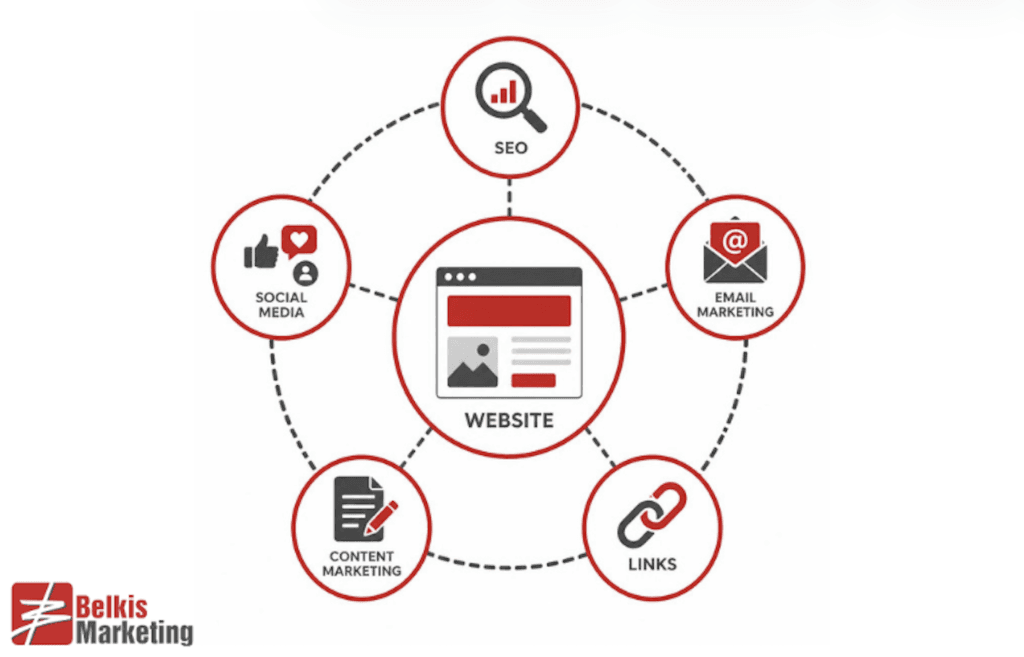
This is the question that separates SEO work from growth marketing. Your website doesn’t exist just to rank. It exists to attract the right people, build trust, and turn visitors into customers. Your SEO strategy should work alongside your content, email marketing, website experience, offers, and conversion strategy.
Red Flags to Watch For 🚩🚩
Be cautious if an SEO provider:
- Promises a #1 Google ranking. Nobody can guarantee a specific organic ranking. Search results change, competitors change, and search engines constantly evolve.
- Talks almost exclusively about traffic. More traffic doesn’t automatically mean more customers.
- Uses complicated terminology without explaining anything. You deserve to understand what you’re paying for.
- Can’t tell you what they actually changed. You should have visibility into the work being performed.
- Focuses entirely on keywords. Keywords matter, but SEO is much bigger than keywords.
- Creates content just to create content. More blog posts aren’t necessarily better. Your content should have a purpose.
- Wants you to sign a long contract before explaining the strategy. You should understand the plan before committing to it.
How Much Should Small Businesses Spend on SEO?
There’s no universal price for SEO. The cost can vary significantly depending on the competitiveness of your industry, the condition of your website, your geographic market, the amount of work required, and whether you’re hiring an individual consultant or an agency.
Instead of asking:
“What’s the cheapest SEO package?”
Ask:
“What will this investment actually do for my business?”
A $300 monthly service isn’t necessarily a bargain if nothing meaningful changes and a larger investment can be worthwhile if the strategy generates qualified leads and measurable business growth. The important thing is understanding what you’re buying and how success will be measured.
SEO Should Start With Your Business—Not Google
Here’s the biggest thing I want small-business owners to understand:
Don’t start your SEO strategy with Google. Start with your customer. Who are you trying to reach? What problem are they trying to solve? When they are typing in the Google search bar, what are they searching for? Does this person have more questions? What questions do they have? Why should they choose you? What happens when they land on your website and what is the next step you want them to take?
Those questions should influence your SEO strategy because getting someone to your website is only half the job. You also need to give them a reason to stay.
What I Look at During a Website & Growth Audit
This is exactly why I don’t approach SEO as a standalone service. When I look at a business’s website, I’m not just asking:
“Can Google find this website?”
I’m also asking:
- Can your ideal customer find you?
- Is it immediately clear what you do?
- Is your messaging speaking to the right audience?
- Are your important services optimized?
- Are there obvious SEO opportunities you’re missing?
- Does your content answer customer questions?
- Is your website building trust?
- Are your calls to action clear?
- What happens after someone visits?
- Are there opportunities to capture leads?
- Are you making it easy for someone to become a customer?
Because sometimes the problem isn’t that you need more traffic. Sometimes you need to do a better job with the traffic you already have.
The Bottom Line
SEO can be one of the most valuable marketing investments a small business can make—but only when it’s part of a bigger growth strategy. Before hiring an SEO consultant, don’t be afraid to ask questions, understand the strategy, what you’re paying for and how success will be measured. Most importantly, make sure your SEO strategy is connected to your actual business goals because the goal isn’t to win Google. It’s to grow your business.
Need Help Figuring Out Where Your Website Is Leaking Growth?
If you’re a small business owner in Myrtle Beach, Conway, or the surrounding area and you’re not sure what’s holding your website back, you don’t necessarily need to start with a massive SEO campaign. You may simply need someone to take a fresh look at your website and identify your biggest opportunities.
That’s what my 30-Minute Growth Audit is designed to do. I’ll help you identify potential leaks in your website’s visibility, messaging, content, and conversion strategy—and give you a clearer picture of what to work on next.
Ready to find your growth leaks?
Ready for a Bigger-Picture Strategy?
SEO might be part of the solution—but it may not be the only thing holding your business back.
If you’re ready to look beyond individual marketing tactics and understand what your business needs to do next to generate more visibility, leads, and growth, that’s where my Growth Roadmap comes in.
The Growth Roadmap is a strategic consulting engagement designed to uncover what’s working, what’s not, where you’re losing potential customers, and what you should prioritize next.
Instead of guessing what to fix, let’s build a roadmap for growth.