
The Day I Accidentally Put Cumin in My Coffee (And What It Taught Me About Systems)
A few weeks ago, on a perfect sunny summer afternoon, I was making my usual iced coffee. Nothing complicated. Scooped one of my favorite coffee (Starbucks Guatemala Antigua Medium Roast) into my reusable K-Cup, added a little bit of 100% maple syrup and hit brew. Poured organic half and half, a dash of vanilla extract and lastly, sprinkled a little cinnamon.
I opened the cabinet above my stove where I keep all of my spices. Without thinking much about it, I reached for a bottle with a red cap, sprinkled a generous amount into my coffee, stirred it up, and took a sip.
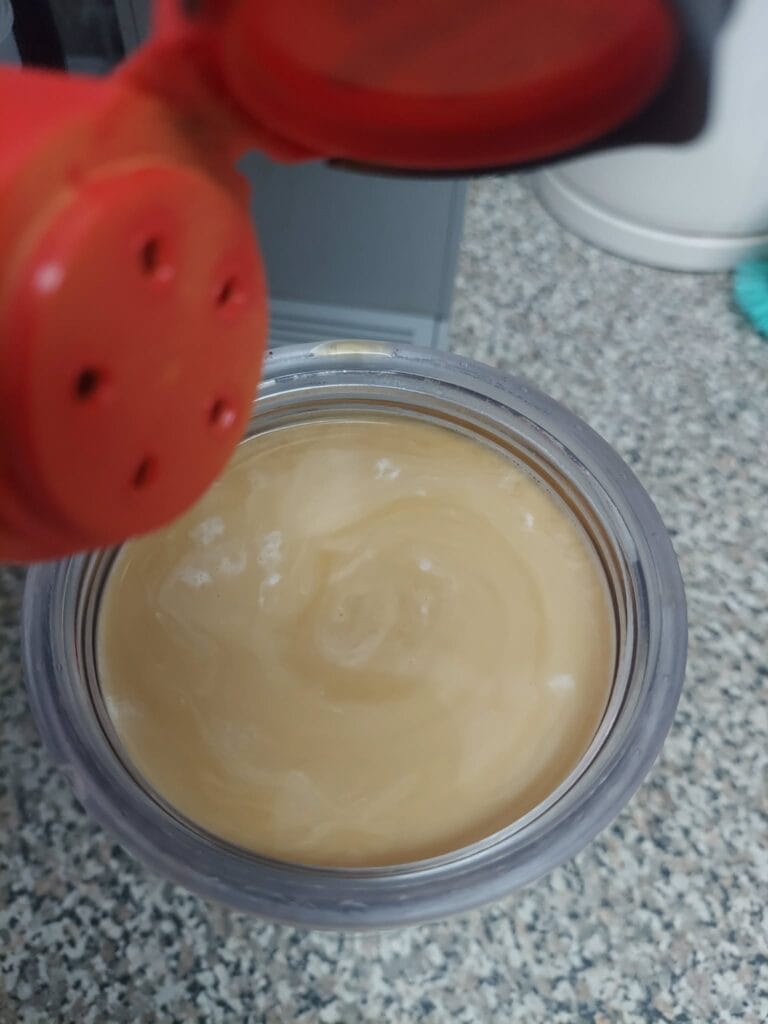
Immediately, I knew something was wrong.
It wasn’t cinnamon. It was cumin.
Needless to say, cumin and coffee are not exactly a winning combination. That cup of coffee went straight down the drain. At first, I was mad at myself. I was looking forward to a nice cup of iced coffee and I ruined it with cumin! It was so gross! 🤮
But then the marketer in me started asking a different question: Why did this happen?
The Problem Wasn’t Me
The easy answer would be that I wasn’t paying attention. But that wasn’t really the issue. The real problem was my system. I had organized my spice rack alphabetically. It made perfect sense on paper. Cinnamon and cumin both begin with the letter “C.” Unfortunately, they also happened to come in bottles with identical red caps. My brain wasn’t looking at the label. It was relying on habit. The system I had created actually made the mistake more likely.
The Fix Was Surprisingly Simple
Instead of telling myself to “pay more attention next time,” I changed the system. I moved all of my coffee ingredients—including cinnamon—to a completely separate shelf. Now, whenever I make coffee, everything I need is in one place. No guessing, confusion or accidental cumin lattes. I didn’t become a more careful person.
I simply built a better system.
Most Marketing Problems Work the Same Way
This reminded me of something I see all the time when auditing websites. Business owners often think they have a traffic problem, an SEO problem, or a content problem. But after taking a closer look, the real issue is usually the system behind it.
For example:
- Your website hides the “Contact Us” button.
- Your lead magnet isn’t connected to an email sequence.
- Your blog attracts visitors but gives them nowhere to go next.
- Your navigation forces visitors to hunt for information.
- Your calls to action compete with each other instead of guiding people toward one clear next step.
None of these problems happen because the business owner isn’t working hard enough. They happen because the system makes success harder than it should be.
Stop Relying on Memory
One of the biggest mistakes I see in marketing is businesses depending on people to remember what to do next. Customers won’t remember to come back to your website. They won’t remember where your contact form is. They won’t remember the product they looked at three weeks ago. That’s why great marketing systems gently guide people from one step to the next. A website should answer the customer’s next question before they have to ask it. An email should naturally lead to another helpful resource. A call-to-action should make the next step obvious. The best marketing doesn’t rely on people remembering. It relies on thoughtful design.
Small Changes Create Big Results
My coffee story wasn’t really about cinnamon. It was about reducing friction. One small adjustment to my kitchen saved me from making the same mistake again. The same principle applies to your website. Sometimes increasing leads doesn’t require more advertising, more social media, or another expensive marketing campaign. It simply requires reorganizing the system so it’s easier for your customers to move forward. Because growth doesn’t always come from working harder. Sometimes it comes from making the right thing the easiest thing.
Final Thought
Every time I make coffee now, I smile when I reach for the cinnamon. Not because I remember the mistake, but because I know I fixed the system that caused it. That’s the difference between reacting to problems and designing processes that prevent them. And whether you’re organizing your kitchen or growing your business, the best systems make the right choice the easiest one.

Have you ever discovered that what looked like a people problem was really a systems problem? I’d love to hear your story.
Are you ready to implement a better system? Start by downloading the FREE 30-minute growth audit. This workbook will help you evaluate your entire marketing system starting with your website so you can quickly identify what’s working, what’s missing, and where your biggest opportunities for growth are.