
How Levi’s Turned a World Cup Branding Problem Into a Social Media Win
When FIFA arrived in the Bay Area for the 2026 World Cup, Levi’s faced an unusual problem.
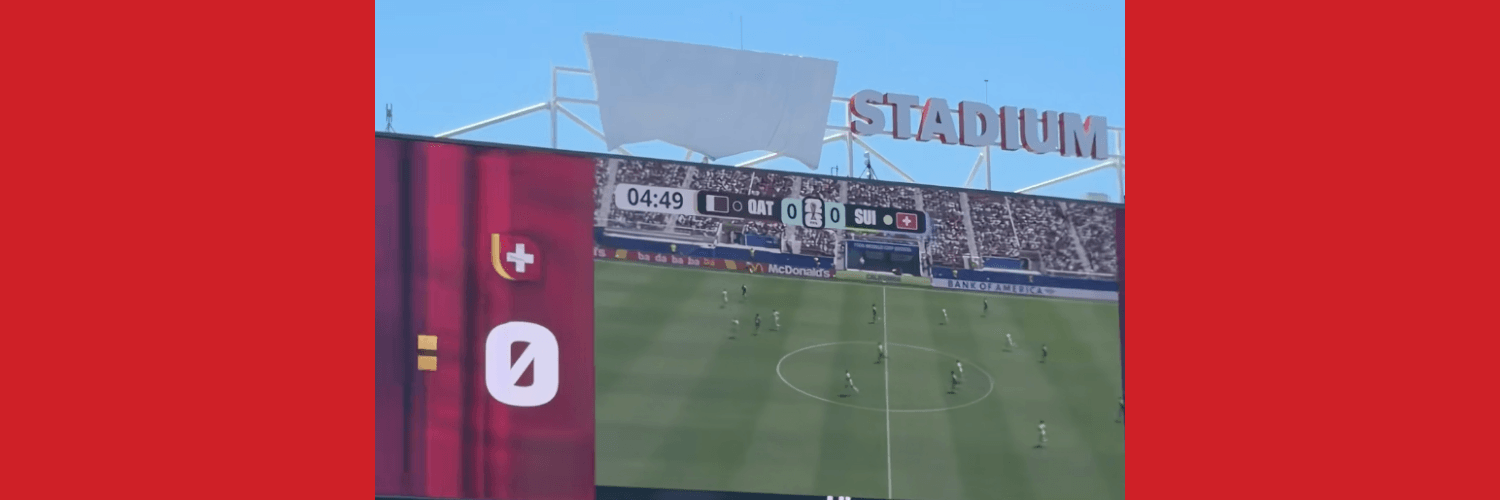
Because of FIFA’s strict “clean stadium” policy, host venues cannot display branding from companies that are not official World Cup sponsors. That meant Levi’s Stadium in Santa Clara had to temporarily lose its name and branding, becoming the much less exciting “San Francisco Bay Area Stadium.” Massive white tarps covered the iconic Levi’s logo throughout the venue.
For many brands, this would feel like a marketing nightmare.
After all, Levi’s reportedly invested heavily in its naming rights agreement with the stadium. Losing that visibility during one of the world’s biggest sporting events could easily have been viewed as a setback.
Instead, Levi’s did something brilliant.
Rather than complain, they leaned into the moment.
The Social Media Move Everyone Started Talking About
Levi’s changed its social media profile image to reflect the covered-up logo and began creating content around the FIFA restrictions. What could have been an embarrassing loss of visibility suddenly became a global conversation.

Even more impressively, Levi’s extended the joke beyond the stadium itself.
The company began covering signage at Levi’s stores around the world with similar white coverings, turning a local FIFA restriction into a worldwide marketing campaign.
The result?
People who may never have noticed the stadium branding were suddenly sharing photos, discussing the campaign online, and praising Levi’s creativity.
In other words, the attempt to hide the brand generated even more attention for the brand.
Why This Campaign Worked
1. They Embraced Reality Instead of Fighting It
Too many companies spend their energy complaining about circumstances they cannot control.
Levi’s could not change FIFA’s sponsorship rules.
Instead of focusing on what they lost, they focused on what they could create.
The brand accepted the situation and turned it into content.
That’s a growth marketing mindset.
2. They Trusted Their Brand Equity
One reason the campaign resonated so strongly is that people could still recognize the iconic Levi’s batwing shape, even when the logo itself was covered. Marketing experts quickly pointed out that the situation became a real-world demonstration of brand recognition.
Think about that for a moment.
Most brands spend years trying to build recognition.
Levi’s used this moment to prove they had already achieved it.
The campaign essentially asked:
“Can you recognize us without our name?”
The answer was a resounding yes.
3. They Joined the Conversation Instead of Defending Themselves
Many brands become defensive when something unexpected happens.
Levi’s did the opposite.
They participated in the joke.
By updating their social profiles and creating content around the covered logo, they became part of the cultural conversation rather than the subject of it.
That’s a subtle but powerful difference.
The Marketing Lesson for Small Businesses
You don’t need a World Cup stadium to apply this strategy.
Every business faces situations that feel negative:
- A social media algorithm changes.
- A competitor enters your market.
- A product sells out.
- A website redesign causes temporary disruption.
- A customer asks a difficult question publicly.
Most businesses react defensively.
The smarter approach is to ask:
“How can we turn this into content?”
Some of the best-performing marketing campaigns start with an unexpected challenge.
People connect with authenticity, creativity, and brands that can laugh at themselves.
Turning Obstacles Into Opportunities
What Levi’s demonstrated during the World Cup is something every marketer should remember:
Visibility isn’t always created by being seen.
Sometimes it’s created by being hidden.
FIFA’s intention was to remove Levi’s branding from one of the world’s largest sporting events. Instead, the restriction became the story itself.
The result was millions of impressions, widespread social sharing, and a marketing case study that brands will likely reference for years.
The next time your business faces a setback, don’t immediately ask, “How do we fix this?”
Ask:
“How do we turn this into a story people want to share?”
That’s often where the real marketing opportunity begins.